REGGIE BURROWS HODGES: A THEATER OF DREAMS
10月 20, 2026 – 2月 27, 2027
In Collaboration With California African American Museum and the Getty Museum
Opening: October 20th, 2026, 11:00 a.m. – 5:00 p.m.
Opening Conversation at the Getty Center on October 27th, 2026. RSVP here.
3401 W. 43rd Place、Los Angeles、CA 90008
より詳しい情報
情報が少ない
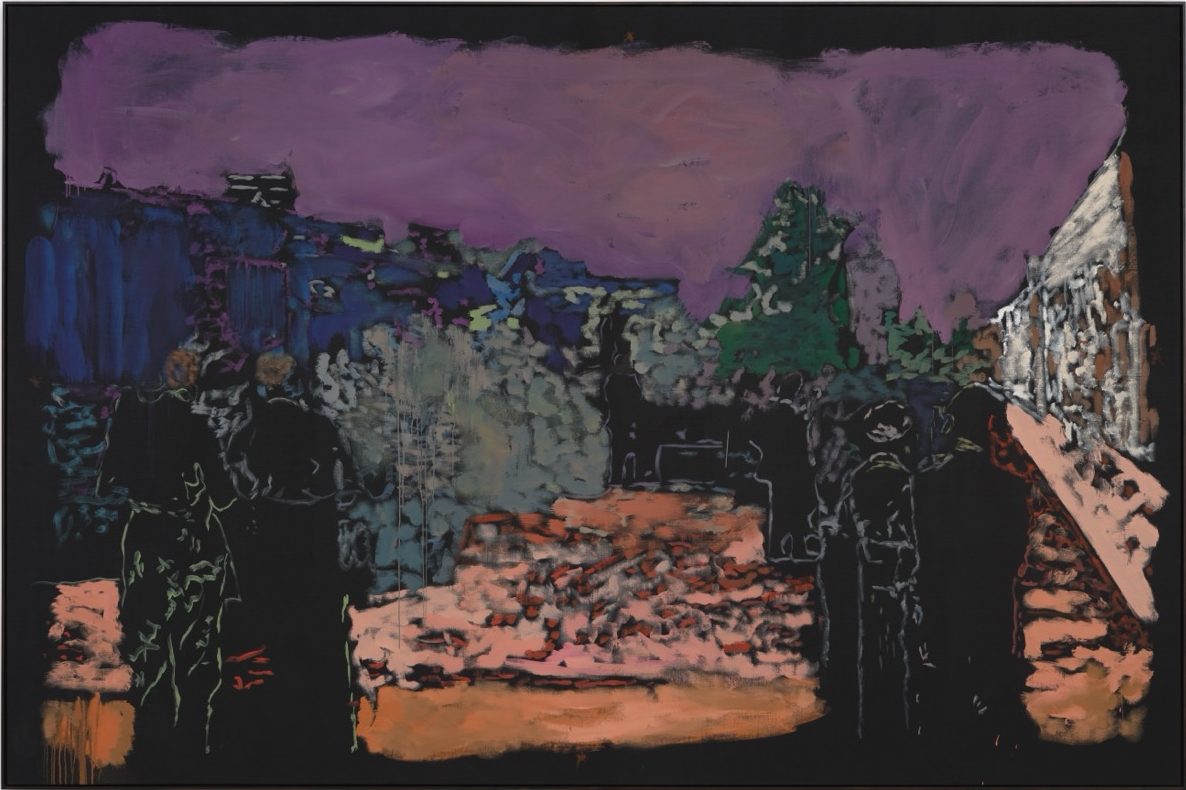
Reggie Burrows Hodges (b. 1965, Compton) is known for his sensuous black and jewel-toned paintings of labor, community rituals, and solitary moments. His paintings combine observations of contemporary life with traditional artist techniques that date back centuries to the Renaissance era.
Hodges’s art is presented simultaneously in three venues in Los Angeles: CAAM, Art + Practice, and the Getty Center. In CAAM’s exhibition, A Theater of Miracles, Hodges’s compositions reflect the influence that Old Master paintings have had on his practice. His modern takes bring attention to everyday gestures while maintaining the sense of drama in the historical works. Several paintings are inspired by works in the Getty’s collection, including The Miracle of the Quail (1554) by Jacopo Bassano, which joins Hodges’s work on display at CAAM.
A Theater of Dreams at Art + Practice presents paintings inspired by Hodges’s memories of childhood in Compton, the legacy of Leimert Park, and his experiences traveling through Europe, expanding viewers’ understanding of Hodges’ sources of inspiration.
Reggie Burrows Hodges: A Theater of Dreams is curated by Bridget R. Cooks, independent curator, scholar, and professor of African American studies and art history at the University of California, Irvine, and is co-presented by the California African American Museum and Art + Practice as part of CAAM at A+P, a five-year collaboration.
The exhibition is part of a three-venue presentation that includes Reggie Burrows Hodges: A Theater of Miracles at CAAM and Reggie Burrows Hodges: A Theater of Passions at the Getty Center.
Audio Tour
バイオグラフィー
より詳しい情報
情報が少ない
Reggie Burrows Hodges (b. 1965, Compton, California) creates paintings that engage with themes of memory, labor, and power. Working in both intuitive and process-based modes, Hodges hones in on intimate, everyday moments that often evade representation. His scenes convey impressions of experience—shifting light, a particular affective charge—through soft, gestural marks that evoke the hazy quality of recollection. Hodges complicates the association of negative space with emptiness by building out his compositions from black grounds. This first layer gives form and substance to his figures, their contours implied through lushly rendered environments. The artist’s descriptive focus on his subjects’ surroundings emphasizes the historical and social conditions that shape subjectivity.